Complete Guide to Rhinoplasty in Islamabad for Patients
Rhinoplasty is a surgical procedure designed to change the shape, size, or structure of the nose. People may consider it for cosmetic reasons, breathing difficulties, or both. Because the nose strongly influences facial balance, even a modest adjustment can make a noticeable difference. Choosing a qualified surgeon, understanding the procedure, and having realistic expectations are essential before making a decision.
For anyone considering Rhinoplasty in Islamabad, the first priority should be a qualified medical assessment rather than an attractive promotional offer. Individual anatomy determines what can safely be changed and what improvement is realistic.
What Is Rhinoplasty?
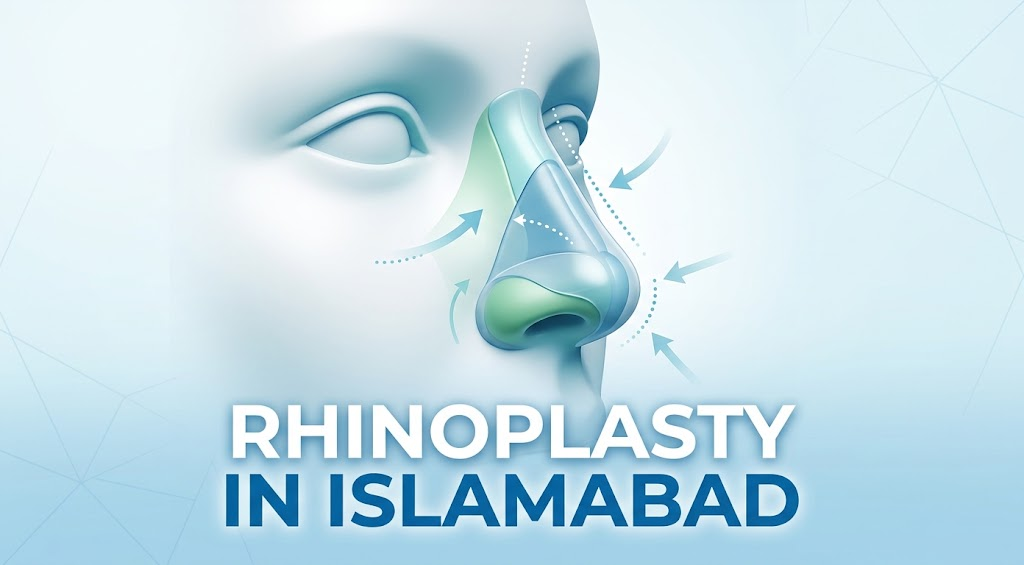
Rhinoplasty reshapes the nasal bones, cartilage, and surrounding tissues to improve appearance or function. Depending on the patient’s needs, surgery may refine the nasal tip, straighten the bridge, reduce a bump, adjust nostril size, or improve symmetry. Functional surgery can also address structural problems that interfere with airflow.
A consultation should focus on the patient’s individual anatomy rather than copying another person’s nose. A responsible surgeon evaluates facial proportions, skin thickness, nasal structure, breathing, medical history, and desired outcome before recommending an approach.
Why People Consider This Procedure
Patients choose Rhinoplasty in Islamabad for different reasons. Some want to correct a visible bump, a wide or crooked nose, an uneven tip, or changes caused by an earlier injury. Others seek improvement because a structural issue makes breathing through the nose difficult.
Cosmetic goals and functional concerns can sometimes be treated during the same operation. The most suitable plan depends on examination findings and personal goals. A good result should look natural and remain compatible with the patient’s facial features rather than appearing overly altered.
Open and Closed Techniques
Surgeons generally use open or closed rhinoplasty techniques. In a closed approach, incisions are made inside the nostrils. An open approach includes an additional small incision across the tissue between the nostrils, allowing wider access to the underlying structures.
Neither technique is automatically better for everyone. The choice depends on the complexity of the correction, the surgeon’s experience, and the anatomy being treated. During consultation, patients should ask why a particular technique is recommended and what it means for recovery and scarring.
Consultation and Surgical Planning
Before Rhinoplasty in Islamabad, a detailed consultation is one of the most important steps. The surgeon should discuss medical history, previous nasal procedures, allergies, medications, breathing problems, and expectations. Photographs or digital planning may help explain possible changes, although computer images should never be treated as a guarantee of the final result.
Patients should also understand the limitations of surgery. Skin type, cartilage strength, healing response, facial proportions, and previous trauma can influence the outcome. Clear communication helps reduce unrealistic expectations and supports safer decision-making.
What Happens During Surgery?
Rhinoplasty is normally performed in an appropriately equipped surgical facility under anesthesia selected by the surgical team. The surgeon makes the planned incisions, modifies bone and cartilage, reshapes the nasal framework, and closes the incisions. In some cases, cartilage from another part of the body may be used to provide support.
The exact operation varies considerably from patient to patient. A straightforward cosmetic correction may require less structural work than revision surgery or a procedure intended to improve breathing. The surgeon should explain the planned steps before the operation.
Recovery After Surgery
Recovery is gradual. Swelling and bruising around the nose and eyes are common during the early period. Some patients experience congestion, tenderness, or mild discomfort. A splint may be used temporarily to protect the nose while the initial healing takes place.
Patients usually need to follow detailed aftercare instructions, including guidance about sleeping position, exercise, cleaning, medications, and protecting the nose from accidental pressure. Returning to strenuous activity too soon can interfere with recovery. Swelling may improve substantially within weeks, but subtle changes can continue for many months.
Patients researching Rhinoplasty in Islamabad should consider postoperative support as well. Regular follow-up allows the surgical team to monitor healing, identify concerns early, and provide guidance as swelling gradually decreases.
Results and Realistic Expectations
The final appearance develops slowly because nasal tissues need time to settle. Early swelling can make the nose look different from the eventual result, so judging the outcome too quickly can create unnecessary concern. Patience is an important part of the recovery process.
Rhinoplasty in Islamabad can produce meaningful cosmetic or functional improvements when the procedure is appropriately planned. However, no surgeon can promise perfection. The goal is usually a balanced, proportionate nose that fits the face and, when necessary, supports better nasal function.
Choosing the Right Surgeon
Selecting a qualified surgeon is one of the most important decisions. Look for appropriate surgical credentials, relevant rhinoplasty experience, a properly equipped facility, and a consultation process that gives you time to ask questions. Be cautious of providers who guarantee a specific result or pressure you to book immediately.
When researching Rhinoplasty in Islamabad, patients should compare qualifications, surgical experience, before-and-after examples, facility standards, follow-up arrangements, and the clarity of the treatment plan. Cost matters, but it should not be the only factor. The cheapest option may not provide the level of expertise or aftercare required for complex nasal surgery.
Understanding Risks and Complications
Like any surgery, rhinoplasty has potential risks. These may include bleeding, infection, prolonged swelling, changes in sensation, breathing problems, scarring, asymmetry, or dissatisfaction with the appearance. Revision surgery may sometimes be required, particularly when healing or structural problems affect the result.
A surgeon should explain relevant risks and how complications are managed. Patients should provide complete medical information and follow preoperative and postoperative instructions carefully. Seeking prompt medical advice when unexpected symptoms occur is also important.
Cost and What It May Include
The cost of Rhinoplasty in Islamabad varies according to the surgeon’s expertise, procedure complexity, facility fees, anesthesia, investigations, medications, and follow-up care. Revision procedures or operations involving significant structural reconstruction may cost more than straightforward cosmetic corrections.
Instead of choosing a clinic based only on a quoted number, ask for a clear breakdown of what is included. Confirm whether consultation, anesthesia, operating-room charges, medicines, follow-up appointments, and necessary tests are covered. A transparent estimate makes financial planning easier and reduces surprises.
Before booking Rhinoplasty in Islamabad, understand the surgeon’s recommendations, expected downtime, possible risks, and total expenses. A thoughtful decision is better than rushing because of discounts or social pressure.
Preparing for Your Procedure
Preparation can help make the surgical experience smoother. Follow the surgeon’s instructions about medications, supplements, smoking, alcohol, eating, and arranging transportation. Organize your recovery space in advance and plan to have someone available to assist you immediately after surgery if recommended.
Bring a list of current medications and relevant medical information to the consultation. It is also useful to write down your questions before the appointment. Asking about technique, anesthesia, expected recovery, activity restrictions, warning signs, and follow-up visits can help you make an informed decision.
Final Thoughts
Rhinoplasty in Islamabad is a significant decision that should be approached with careful research and realistic expectations. The best outcomes begin with an experienced, appropriately qualified surgeon, individualized planning, safe surgical facilities, and consistent aftercare.
Whether the goal is cosmetic refinement, improved breathing, or both, patients should prioritize safety and long-term function over quick promises. A thorough consultation can help determine whether surgery is suitable and what type of result may reasonably be expected. Taking time to understand every stage—from planning through recovery—can make the experience more informed and manageable.