Architecture Designs Kdarchistyle: Unique Concepts for Contemporary Building Styles
Architecture has always played a crucial role in shaping the way people live, work, and interact with their environment. From ancient monuments to modern skyscrapers, the evolution of architectural thinking reflects human creativity, technological advancement, and cultural identity. In today’s rapidly changing world, architects are exploring new ways to combine functionality, sustainability, and aesthetics to design spaces that are both beautiful and practical.
Modern architects are no longer limited to traditional ideas. Instead, they experiment with materials, technology, environmental strategies, and artistic concepts to create structures that inspire people and support modern lifestyles. Many designers and planners are now exploring unique concepts such as architecture designs kdarchistyle, which focus on innovative forms, efficient layouts, and visually engaging structures.
The importance of architecture goes far beyond appearance. A well-designed building can improve comfort, reduce environmental impact, and enhance the quality of life for its occupants. With urban populations increasing and resources becoming limited, architects must think carefully about how buildings are designed and constructed.
The Evolution of Modern Architectural Thinking
Architecture has evolved through many stages across history. Early civilizations built structures primarily for protection and religious purposes. Over time, architectural styles developed unique characteristics influenced by culture, geography, and available materials. kdarchistyle
Ancient Egyptian pyramids demonstrated precision and durability. Greek architecture introduced harmony and proportion. Roman engineering brought advanced construction techniques such as arches and domes. During the Renaissance period, architecture became more artistic and symmetrical.
In the modern era, architecture shifted toward functionality and innovation. Architects began focusing on efficiency, structural clarity, and new materials like steel, reinforced concrete, and glass.
Today, architects are experimenting with creative approaches such as architecture designs kdarchistyle, which combine modern aesthetics with smart spatial planning. These ideas emphasize flexibility, natural light, and balanced proportions.
The Importance of Creativity in Architectural Development
Creativity is the heart of architectural design. Without imagination, buildings would simply be functional structures without character or emotional impact.
Creative architecture allows designers to transform ordinary spaces into inspiring environments. A thoughtfully designed building can influence mood, productivity, and social interaction.
For example, open spaces in offices can encourage collaboration among workers. Well-planned public buildings can create welcoming environments for communities.
Innovative concepts such as architecture designs kdarchistyle illustrate how creativity can redefine traditional design approaches. These styles explore unusual shapes, dynamic layouts, and artistic facades that make buildings stand out while remaining practical.
Creative architecture also adapts to changing lifestyles. As people work remotely, study online, and seek flexible living arrangements, buildings must accommodate multiple functions within the same space.
Sustainable Architecture and Environmental Responsibility
One of the most significant challenges in modern architecture is environmental sustainability. Buildings consume large amounts of energy and resources, which can contribute to climate change if not managed responsibly.
Sustainable architecture focuses on minimizing environmental impact while maximizing efficiency. Architects design buildings that use less energy, conserve water, and reduce waste.
Many modern projects incorporate solar panels, green roofs, and rainwater harvesting systems. Natural lighting and ventilation reduce the need for artificial energy consumption.
Innovative approaches such as architecture designs kdarchistyle also emphasize sustainability by using smart building layouts and eco-friendly materials.
In addition, architects often select locally sourced materials to reduce transportation emissions and support regional economies.
By combining creativity with environmental awareness, sustainable architecture ensures that future generations can enjoy healthy and efficient living spaces.
The Role of Technology in Modern Architecture
Technology has transformed architectural design in remarkable ways. Advanced software allows architects to visualize complex structures before construction begins.
Digital modeling tools enable designers to test different shapes, materials, and structural systems. This helps reduce errors and improves efficiency during the building process.
Building Information Modeling (BIM) systems allow architects, engineers, and contractors to collaborate more effectively. These tools ensure that every part of a building works together seamlessly.
Many modern architectural concepts, including architecture designs kdarchistyle, rely on digital design tools to achieve precise shapes and innovative structures. supply chain management software price, etruesports etsjavaapp guide, Keine Karriere-Subdomain Gefunden, global citizenship kronosshort, bfnctutorials
Technology also helps architects design smarter buildings. Sensors and automated systems can regulate temperature, lighting, and security to improve comfort and efficiency.
Smart homes and intelligent buildings are becoming increasingly common, showing how technology continues to shape the future of architecture.
Urban Architecture and City Development
Cities around the world are growing rapidly. As populations increase, architects must design buildings that support urban living while maintaining comfort and sustainability.
Urban architecture focuses on efficient use of space. High-rise buildings, mixed-use developments, and compact housing solutions help accommodate large populations in limited areas.
Architects must also consider transportation, public spaces, and environmental factors when planning urban developments.
Design strategies like architecture designs kdarchistyle often introduce innovative layouts that maximize space without compromising aesthetics or comfort.
Urban planners also emphasize walkability, green spaces, and community facilities to create healthier cities.
Modern cities aim to balance density with livability, ensuring that residents have access to sunlight, fresh air, and recreational areas.
Residential Architecture and Modern Living
Residential architecture has evolved significantly in recent decades. Modern homes are designed to reflect changing lifestyles, technological advancements, and environmental concerns.
Many homeowners now prefer open-plan living spaces that connect kitchens, dining areas, and living rooms. These layouts encourage social interaction and create a sense of spaciousness.
Large windows and natural lighting are also popular features in modern homes. They help create bright and comfortable environments.
Design concepts like architecture designs kdarchistyle focus on combining aesthetic appeal with practical functionality in residential spaces.
Modern homes often incorporate smart technology, energy-efficient appliances, and sustainable building materials.
Flexible living spaces are also becoming more important. Rooms may serve multiple purposes, such as home offices, study areas, or entertainment spaces.
Cultural Influence on Architectural Styles
Architecture often reflects the culture and traditions of a region. Local history, climate, and social values influence the design of buildings.
For example, traditional Japanese architecture emphasizes simplicity and harmony with nature. Mediterranean architecture focuses on ventilation and outdoor living spaces.
Modern architects frequently blend traditional ideas with contemporary concepts. This combination creates unique designs that respect cultural heritage while embracing innovation.
Styles such as architecture designs kdarchistyle demonstrate how cultural inspiration can merge with modern design principles.
Architects must carefully balance tradition and modernity to create buildings that feel both familiar and forward-thinking.
The Impact of Architecture on Human Experience
Architecture has a powerful influence on human emotions and behavior. The design of a building can affect how people feel and interact within a space.
Bright, open spaces often create feelings of comfort and freedom. In contrast, dark or crowded environments may cause stress or discomfort.
Architects study human psychology to design spaces that promote well-being. Hospitals, schools, and workplaces are carefully planned to support the needs of their occupants.
Approaches like architecture designs kdarchistyle emphasize user experience by focusing on natural light, efficient layouts, and visually appealing structures.
By understanding how people use spaces, architects can create environments that improve quality of life.
Challenges in Modern Architectural Projects
Despite advancements in technology and design, architects face many challenges when developing modern buildings.
Budget limitations often affect construction decisions. Architects must balance creativity with cost efficiency to ensure projects remain financially feasible.
Environmental regulations also play a major role in modern construction. Buildings must comply with safety standards and sustainability requirements.
Urban space limitations present additional challenges, particularly in densely populated cities.
Design concepts such as architecture designs kdarchistyle help address these challenges by providing flexible and efficient planning strategies.
Architects must also collaborate closely with engineers, contractors, and clients to ensure successful project completion.
The Future of Architectural Innovation
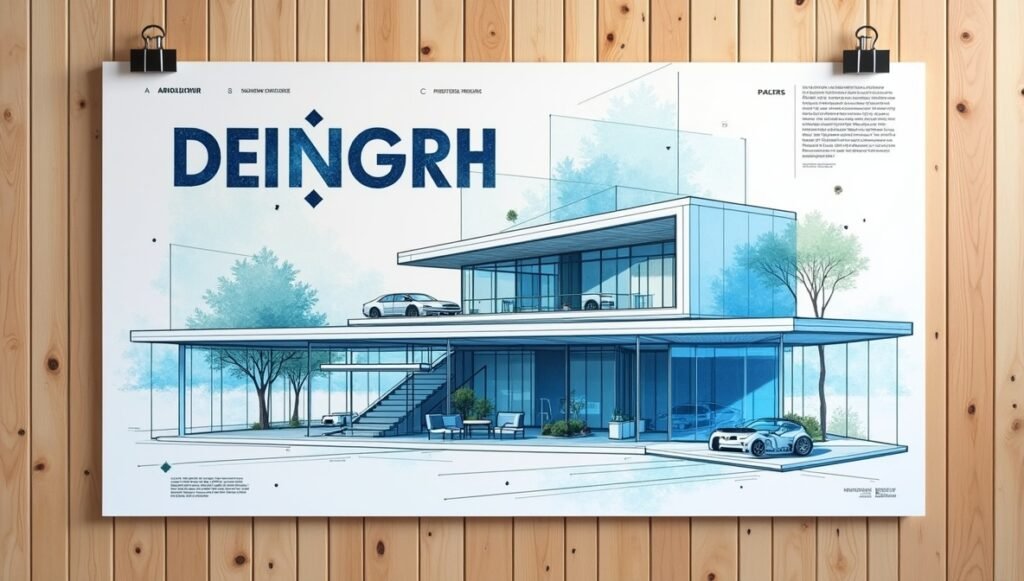
The future of architecture promises exciting developments driven by technology, sustainability, and creative thinking.
New materials such as carbon-neutral concrete and advanced glass systems are improving building performance. Modular construction methods allow buildings to be assembled more quickly and efficiently.
Artificial intelligence and data analysis are also influencing architectural planning. These tools help architects optimize building performance and energy efficiency.
Forward-thinking concepts like architecture designs kdarchistyle will likely continue evolving as designers explore new possibilities in form and function.
Future buildings may incorporate self-healing materials, energy-producing facades, and adaptive environments that respond to weather conditions.
Architecture will continue shaping the way people live and interact with their surroundings.
FAQs
What is the importance of modern architectural design?
Modern architectural design focuses on functionality, sustainability, and aesthetics. It helps create comfortable living environments, improves energy efficiency, and ensures buildings meet the evolving needs of modern society.
How does architecture influence daily life?
Architecture shapes the spaces where people live and work. Well-designed environments improve comfort, productivity, and emotional well-being by providing natural light, efficient layouts, and pleasant surroundings.
Why is sustainability important in architecture?
Sustainable architecture reduces environmental impact by using energy-efficient systems, eco-friendly materials, and smart building designs. This approach helps conserve resources and supports long-term environmental health.
How has technology changed architecture?
Technology allows architects to design complex structures using digital tools and simulations. It improves accuracy, collaboration, and efficiency during the design and construction process.
What factors influence architectural styles?
Architectural styles are influenced by culture, climate, technology, materials, and social needs. These factors shape how buildings look and function in different regions and time periods.
Conclusion
Architecture is far more than the construction of buildings. It is a creative discipline that combines art, science, and technology to shape the spaces where people live, work, and gather.
Throughout history, architectural innovation has reflected the needs and aspirations of societies. Today, architects face new challenges related to sustainability, urban growth, and technological advancement.
By embracing creativity and forward-thinking ideas such as architecture designs kdarchistyle, designers can create buildings that are both visually inspiring and environmentally responsible.
The future of architecture will depend on collaboration between architects, engineers, urban planners, and communities. Together, they will design spaces that improve quality of life while protecting the planet.
As cities continue to expand and technology evolves, architecture will remain a powerful tool for shaping the world in which we live.